
Do Candidates Hate AI Interviews?
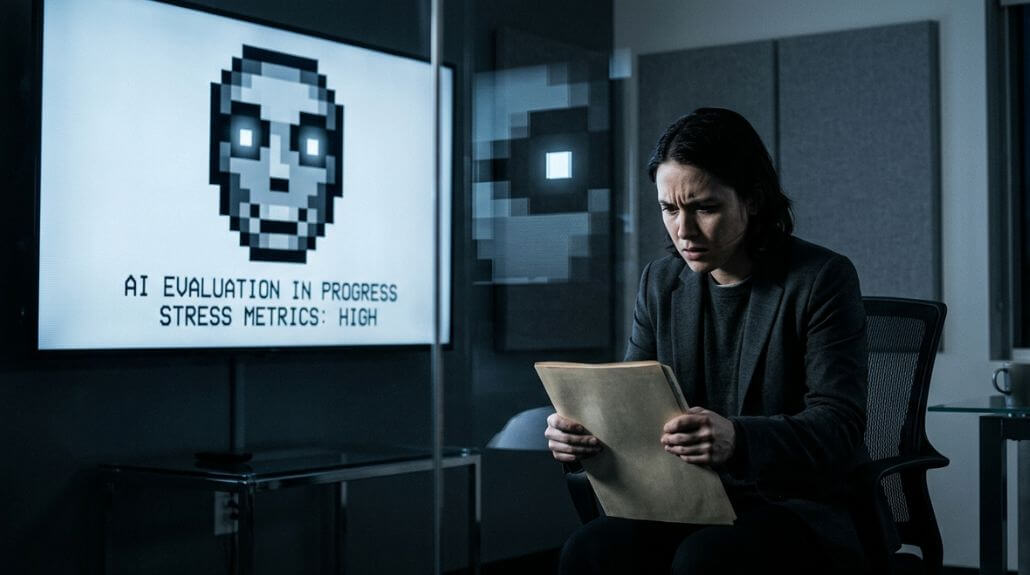
AI interviews can streamline the hiring process, yet they often leave candidates feeling dehumanised. You might appreciate the efficiency, but you also crave the personal touch of traditional interviews. The lack of real-time feedback can amplify anxiety, making you wonder how your responses are interpreted. As more companies adopt this technology, it raises an important question: Are these interviews truly fair, or do they miss the mark in understanding who you are?
Short Version
- Candidates appreciate the efficiency of AI interviews but often feel the lack of personal interaction is unsettling and impersonal.
- Many express anxiety over potential misinterpretation of their responses, feeling like data points instead of unique individuals.
- Some candidates welcome the reduction of biases in hiring processes facilitated by AI assessments.
- Technical glitches during AI interviews can lead to frustration and negatively impact the candidate experience.
- Overall sentiments towards AI interviews are mixed, balancing efficiency with concerns about fairness and personal connection.
What Are AI Interviews?
AI interviews are, fundamentally, automated assessments where candidates engage with artificial intelligence rather than a human interviewer.
These interviews often use video or chat platforms that assess your responses to pre-set questions. You’ll interact with algorithms that analyse your speech, facial expressions, and even body language, providing employers with data-driven observations into your suitability for a role.
Typically, you’ll face a series of questions, and your responses are recorded for later evaluation.
This format can feel impersonal, as you won’t receive real-time feedback. Understanding how these interviews work can help you prepare effectively.
You might find it beneficial to practice answering common interview questions in front of a camera to mimic the experience and enhance your confidence for the actual assessment.
Pros and Cons of AI Interviews for Candidates
While many candidates appreciate the efficiency of AI interviews, there are both advantages and drawbacks to evaluate. On the plus side, AI interviews can streamline the process, allowing you to schedule at your convenience and often receive quicker feedback. They also eliminate some biases that come with human interviewers, giving everyone a fair shot.
However, you might find the lack of personal interaction unsettling. AI can’t fully capture your personality, which could impact your chances.
Plus, technical glitches or misinterpretations can lead to frustrating experiences. Ultimately, some candidates feel anxious about the algorithms used, worrying they mightn’t showcase their true potential.
Assessing these pros and cons will help you decide if AI interviews are right for you.
How Do Candidates Feel About AI Assessments?
How do candidates really feel about AI assessments? You might find mixed emotions here.
On one hand, some candidates appreciate the efficiency and consistency AI brings to the process. They like that it can eliminate biases that sometimes come with human interviewers.
On the other hand, many express frustration. You may feel that AI lacks the personal touch and can’t truly gauge your skills or personality. There’s often anxiety about how algorithms might misinterpret your responses or overlook your strengths.
Additionally, the impersonal nature of these assessments can make you feel like just another data point.
Ultimately, your experience can greatly vary based on how comfortable you’re with technology and how much you value human interaction in interviews.
Can AI Hiring Be Fair?
Can AI hiring truly be fair? It’s a question that many candidates are asking. While AI can analyse vast amounts of data without bias, it’s important to recognise that fairness depends on how the technology is programmed and the data it’s trained on.
If the training data reflects historical biases, those biases can creep into the AI’s decisions. You might feel uneasy knowing that your worth could be judged by algorithms. Transparency in AI processes is essential; you should know how decisions are made.
Furthermore, human oversight is necessary to guarantee that the AI doesn’t inadvertently reinforce existing inequalities. Ultimately, for AI hiring to be fair, it needs to be continuously monitored and adjusted to promote true equality in the hiring process.
AI Interviews vs. Traditional Interviews
As candidates ponder the fairness of AI in hiring, they often compare AI interviews to traditional ones.
While traditional interviews allow for personal interaction and immediate feedback, AI interviews rely on algorithms and data analysis. You might feel that AI lacks the human touch, making it harder to showcase your personality and adaptability.
In contrast, traditional interviews can be influenced by biases, potentially affecting the outcome. With AI, you may find a more standardised evaluation process, which can be appealing.
However, the lack of emotional connection might leave you feeling less engaged. Ultimately, each format has its pros and cons, and your comfort level could shape your experience and perception of both methods in the hiring process.
Success Stories: Candidates Thriving With AI Interviews
While some candidates initially hesitate about AI interviews, many have uncovered that these digital assessments can highlight their strengths effectively. You might be surprised to learn how others have thrived in this new format. Here are a few success stories to inspire you:
- Flexibility: Candidates appreciated the ability to schedule interviews at their convenience, reducing stress.
- Practice Opportunities: Many used practice sessions to refine their responses, enhancing their confidence.
- Objective Evaluation: AI’s unbiased scoring helped candidates feel they were evaluated fairly based on merit.
- Feedback: Some received constructive feedback from AI systems, allowing them to improve for future interviews.
Top Concerns About AI Interviews for Candidates
Despite the success stories of candidates thriving in AI interviews, several concerns often linger in the minds of job seekers. You might worry about the lack of personal connection, feeling like an algorithm’s data point rather than a unique individual.
There’s also the fear that AI could misinterpret your responses, leading to unjust rejections. Additionally, the anxiety around technical glitches or poor software performance can be overwhelming.
Many candidates question the fairness of AI systems, particularly regarding bias in algorithms, which could disadvantage certain groups.
Finally, the impersonal nature of these interviews might make it hard for you to showcase your personality, leaving you wondering if you truly have a chance to shine.
Adapting to AI: Are Candidates Embracing Change?
How are candidates adapting to the rise of AI in the interview process? As technology evolves, many candidates are finding ways to accept these changes rather than resist them.
Here are some strategies you might consider:
- Research AI Tools: Understanding how AI systems work can give you an edge in steering through the interview process.
- Practice with Simulations: Use AI-driven mock interviews to get comfortable with the format and types of questions you might encounter.
- Enhance Your Tech Skills: Familiarising yourself with relevant software can improve your confidence and performance.
- Seek Feedback: Learning from those who’ve successfully managed AI interviews can provide useful perspectives and tips.
Expert Insights on AI Hiring Practices
As AI becomes increasingly integrated into hiring practices, experts emphasise the importance of understanding how these systems function.
You might be surprised to learn that these tools aren’t just about efficiency; they analyse patterns in candidate data to enhance decision-making.
However, experts caution that relying solely on AI can lead to biases if the data it’s trained on isn’t diverse.
It’s essential for you to know that transparency in AI algorithms can help mitigate these risks.
Engaging with the technology can also provide perspectives into your own strengths and weaknesses during interviews.
Ultimately, staying informed about AI’s role in hiring can enable you to maneuver the process more effectively and position yourself as a strong candidate. Additionally, privacy and security concerns should be a priority when implementing AI in hiring to ensure ethical practices.
The Future of AI in Hiring: Trends and Predictions
While many companies are already leveraging AI in their hiring processes, the future promises even more revolutionary changes. You can expect these key trends to shape the environment:
- Enhanced Candidate Experience: AI will streamline applications, making it easier for you to showcase your skills.
- Bias Reduction: Advanced algorithms will help minimise human bias, ensuring a fairer evaluation of candidates.
- Predictive Analytics: Companies will use data to forecast hiring needs and identify the best talent fit for their culture.
- Real-Time Feedback: AI will provide immediate understanding during the interview process, helping you improve and adapt quickly.
As these trends evolve, you’ll likely find AI becoming an indispensable part of your job search expedition, especially as personalised interactions become a standard in candidate engagement.
Conclusion
As you traverse the terrain of AI interviews, think of it as walking a tightrope. On one side, there’s efficiency and fairness; on the other, the warmth and connection of human interaction. You’re not just a data point, you’re a story waiting to be told. Balancing these elements might just be the key to altering the hiring process into something more meaningful. Welcome the technology, but don’t forget the human touch that makes each candidate unique.